16. February 2026
by Bogna
Why Burning Compost?
A social sculpture on climate, care, and invisible work
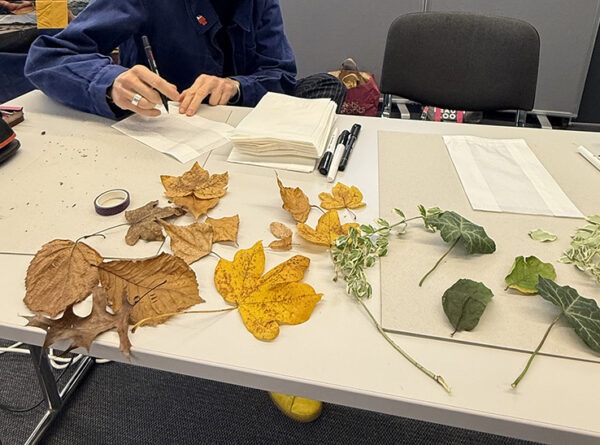
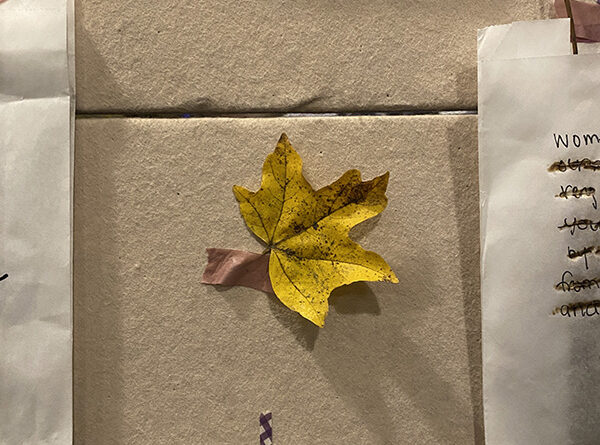
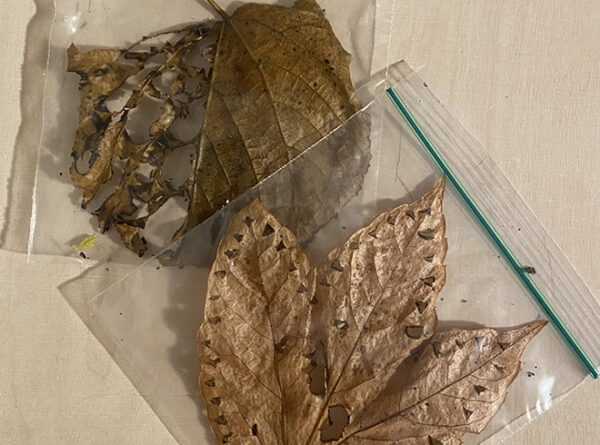
Burning Compost begins with something simple and ordinary: autumn leaves in Berlin. Gathered, cleared away, and increasingly fed into biogas plants to produce energy, these leaves disappear before many of us even notice the role they play in the ecological cycle. In nature, autumn leaves protect the soil through the winter and gradually break down into nutrients that nourish plants and trees in spring.
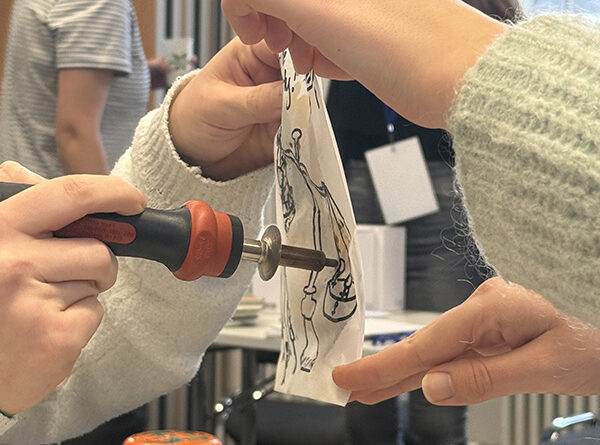
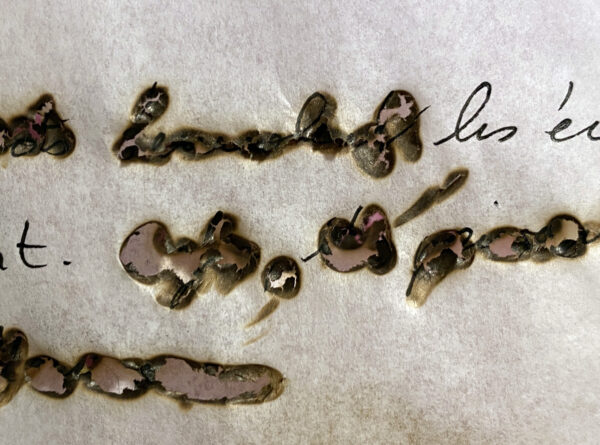
The project connects this interrupted cycle to another system that often goes unnoticed: domestic labour. By using leaves, paper bags, and the gesture of burning away certain words written on their surface, Burning Compost reflects on care work, the loss of resources, and the disproportionate impact of climate change on women.
The project connects this interrupted cycle to another system that often goes unnoticed: domestic labour. By using leaves, paper bags, and the gesture of burning away certain words written on their surface, Burning Compost reflects on care work, the loss of resources, and the disproportionate impact of climate change on women.
The disproportionate impact of climate change across genders
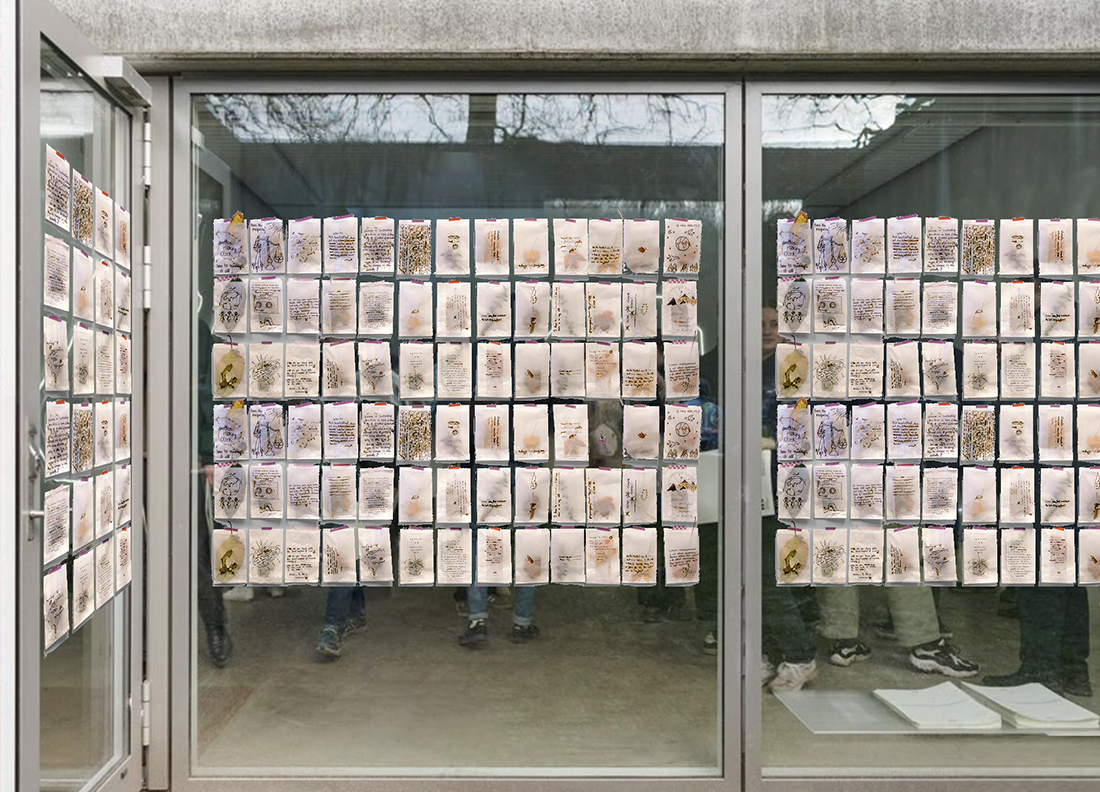
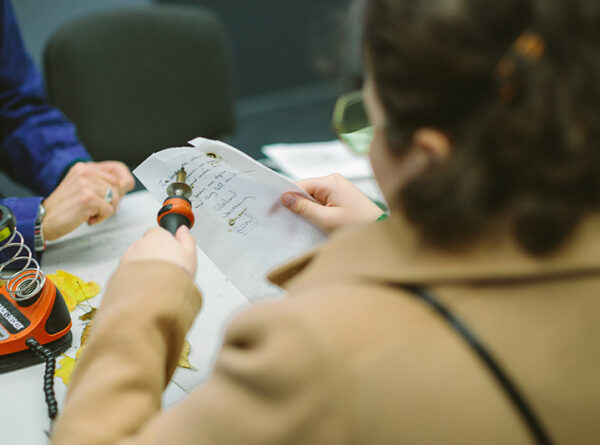
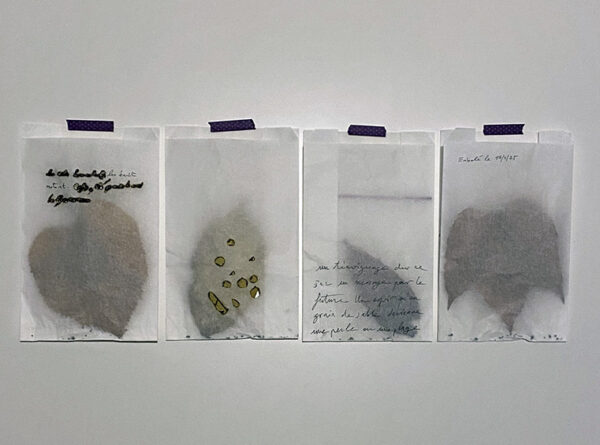
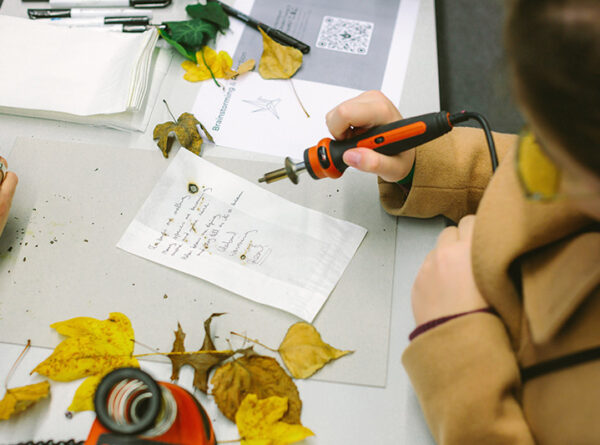
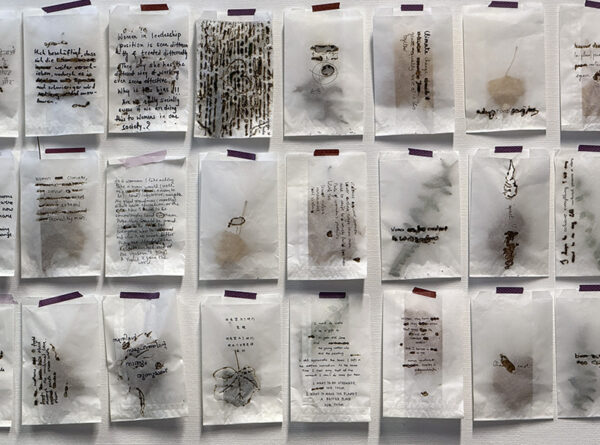
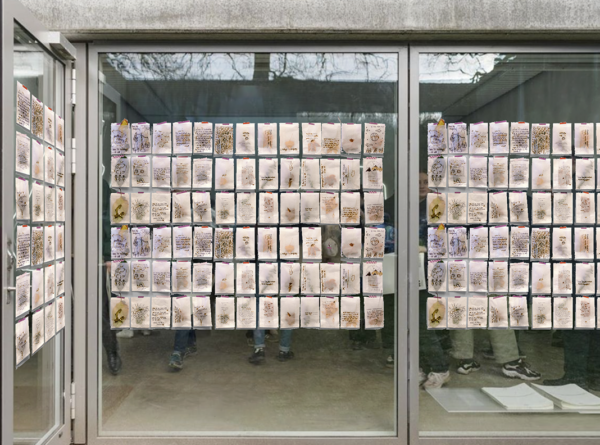
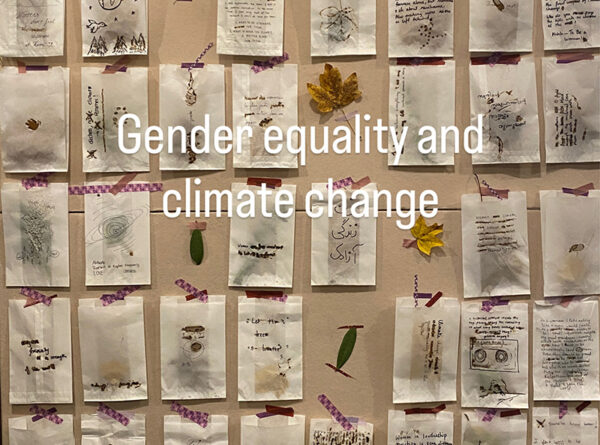
For this social sculpture, we collect fallen leaves and preserve them in paper bags. Participants are invited to write their own messages on the bags, then selectively burn certain parts so that some words or traces disappear. Through this gesture, Burning Compost gives visible form to several processes of destruction and erasure
Through this gesture, Burning Compost makes different forms of burning visible at once:
- the disappearance of valuable compost
- fires intensified by climate change around the world
- forms of knowledge, local experience, and personal stories that also risk being erased
Exposing invisible care work through leaves, light, and time
The Light of Care
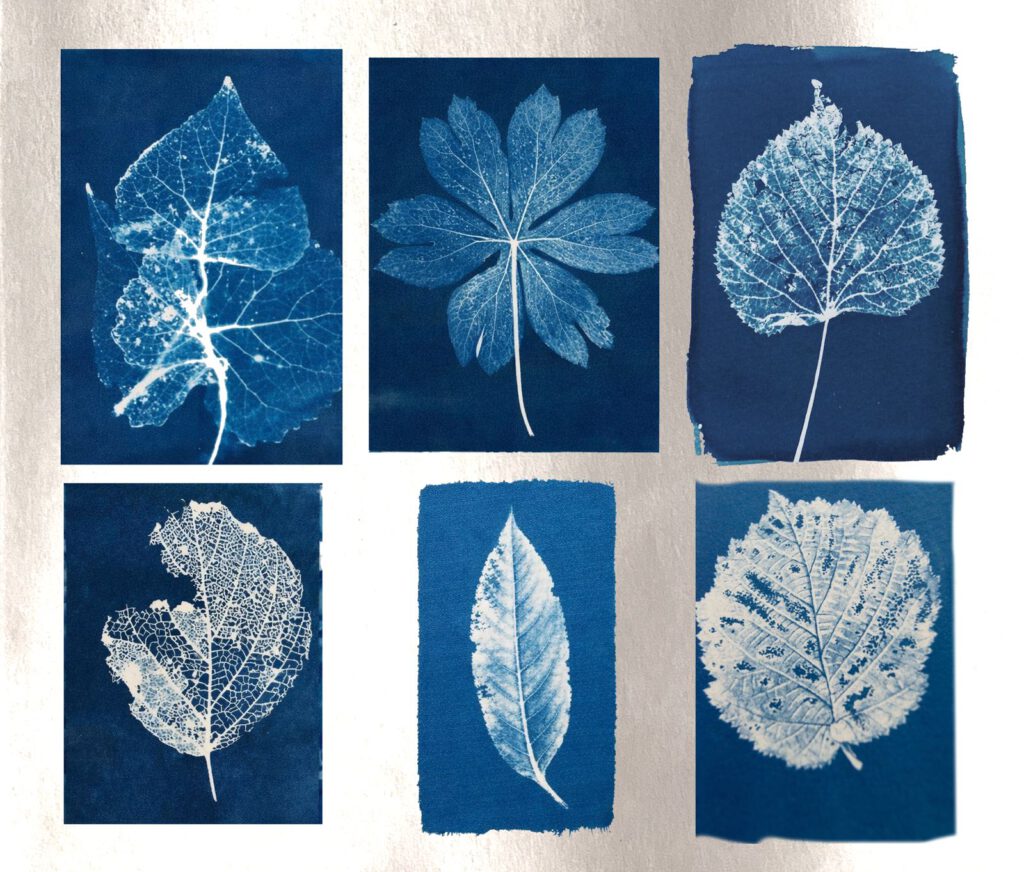
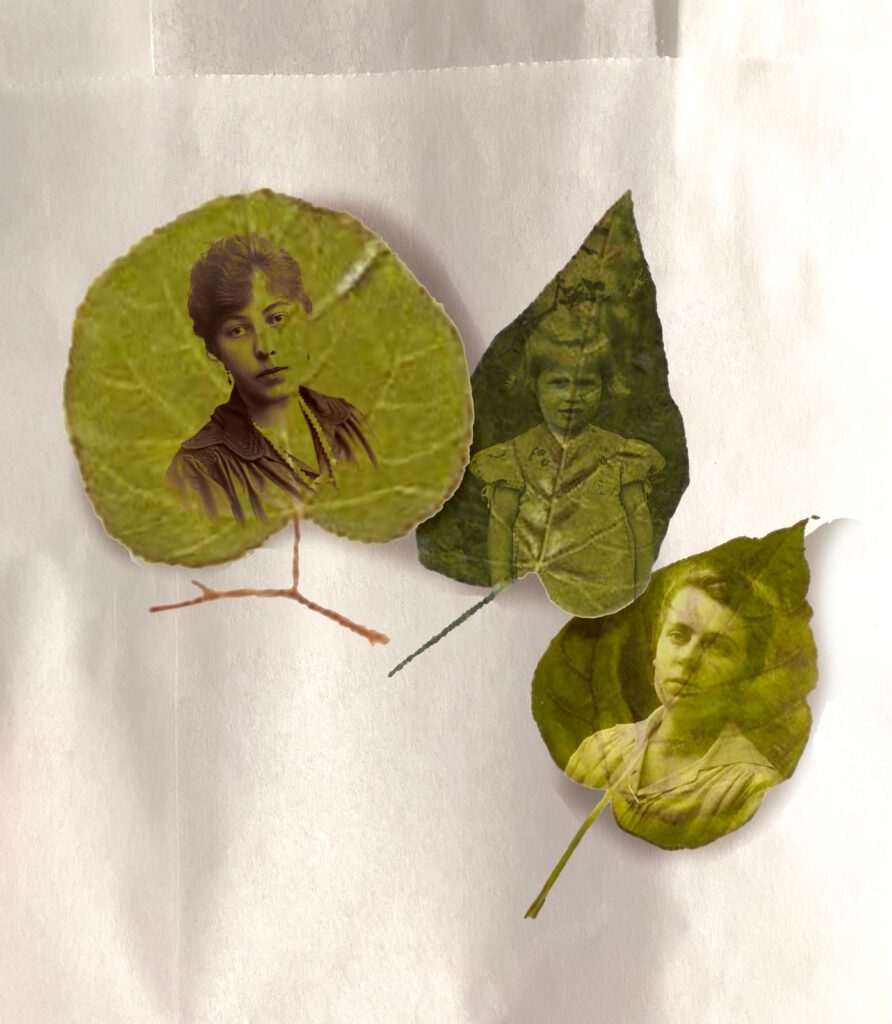
Another strand of Burning Compost explores cyanotype and chlorophyll printing in order to inscribe portraits of women onto leaves through the action of sunlight. The leaf becomes a living support that carries the faces of women whose care work is rarely recognised for what it is. Through light, time, and organic matter, the project brings ecology, memory, and invisible labour into relation.
Impact assessment framework
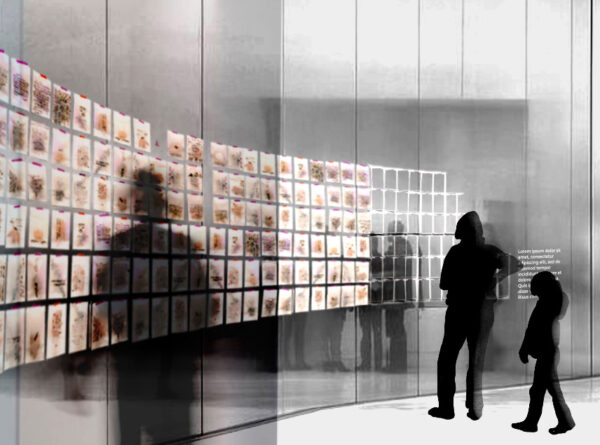
We aim to create a total of 365 artworks for the final sculpture, to represent nature’s annual cycle. So far participants have created 54 works at a conference at the ESPC school in Berlin last November. The Padlet displays our first attempt to collect voices, questions and experiences on the topic on Climate Change and Gender Equality.
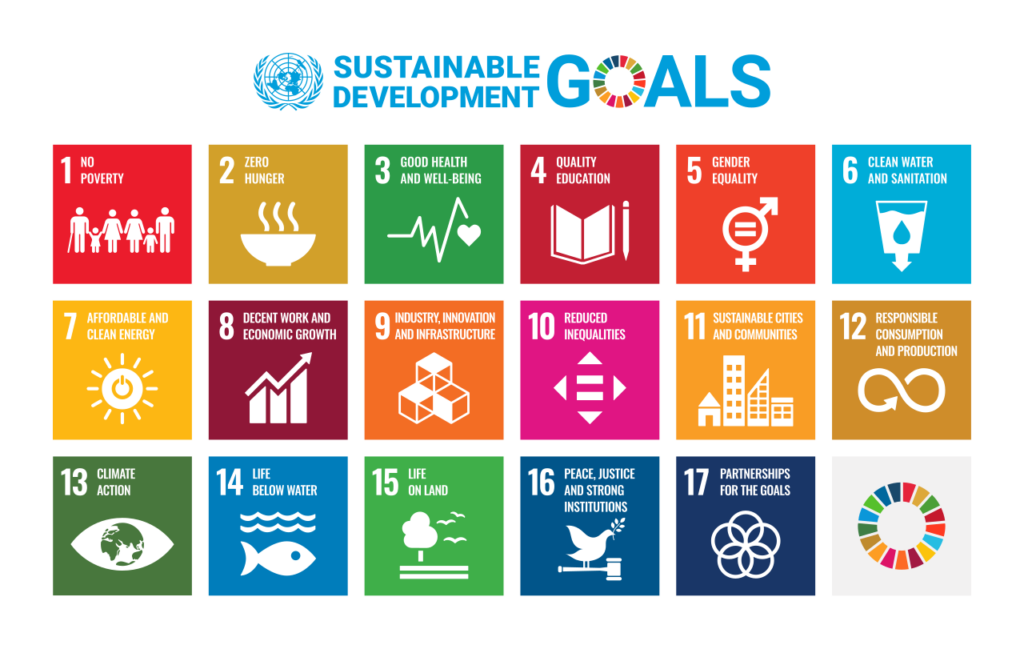
SDG Goals 11,12 & 13
Climate Action, Responsible Consumption & Production & Sustainable Cities & Communities
By working with organic materials and processes of transformation, the project engages participants in reflecting on waste and regeneration (SDG 12, 13). The collective creation raises awareness of environmental impact within shared spaces (SDG 11)
OUR IMPACT
54
Art Pieces
90
Participants
1
Day Workshop
500
+
Leaves
Help Art Change the World
Why Donate
Masterpiece for Good believes in the power of art to inspire, educate, and drive social change.
With your support, we can expand our programs, reach more communities, and create lasting impact.
Your Donations Create Impact: donations help us cover materials, workshops, artist fees, production costs, travel, documentation, and the infrastructure needed to realize our projects.
We aim for an allocation of donations based on a 20/80 ratio.
With your support, we can expand our programs, reach more communities, and create lasting impact.
Your Donations Create Impact: donations help us cover materials, workshops, artist fees, production costs, travel, documentation, and the infrastructure needed to realize our projects.
We aim for an allocation of donations based on a 20/80 ratio.