

17. February 2026
by Bogna
Digital Violence against Women
How do we approach violence when it no longer hides only behind closed doors, but also behind screens?
Violence against women is often associated with visible injuries, silence, and shame. But today, violence also takes digital forms. It circulates through messages, images, surveillance, exposure, and repeated intrusion into everyday life. What appears immaterial can have lasting emotional, social, and physical consequences. Across Europe, digital violence against women is now increasingly recognized as a central dimension of gender based violence.
Between concealment and exposure
Hiding Behind Flowers confronts this shift
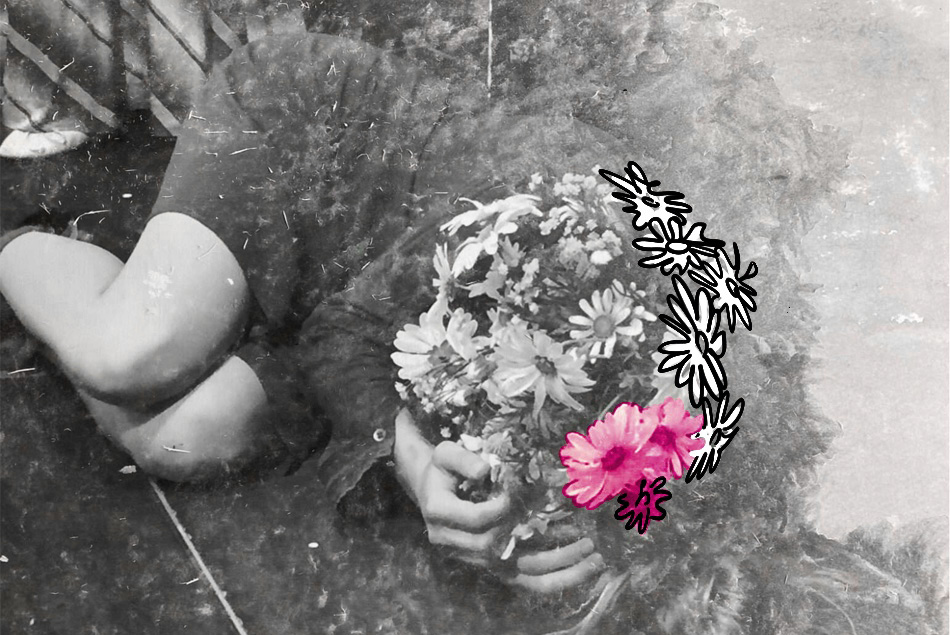
Flowers are a non verbal language. They can express affection, apology, gratitude, or grief without words. Because of their fragility, they also symbolize protection and peaceful resistance. In this project, flowers become a paradoxical image. They represent beauty, but also concealment. They speak softly, while covering what is difficult to say.

Call for Action
Upload your anonymous picture behind flowers
On visibility, anonymity, and digital violence
What can be done to make the invisible visible
Through an anonymous digital platform, women are invited to share experiences of violence in a protected way. The project recognizes that the tension between violence, shame, power, and exposure often determines whether someone can speak at all. Anonymity is not used here to erase identity, but to create the conditions for expression.
The collected testimonies are transformed into an artistic language in which flowers become carriers of experience. What hides behind them is not decorative. It is social reality. Hiding Behind Flowers creates a space where invisible violence can be approached without forcing self exposure, and where private experiences can enter collective awareness with care and dignity.
The collected testimonies are transformed into an artistic language in which flowers become carriers of experience. What hides behind them is not decorative. It is social reality. Hiding Behind Flowers creates a space where invisible violence can be approached without forcing self exposure, and where private experiences can enter collective awareness with care and dignity.
Call for Partnerships
We are seeking collaboration partners
Hiding Behind Flowers creates a protected framework in which women can share experiences anonymously through our Padlet. Their words are gathered without names and without exposure, so anonymity becomes a condition for trust and agency.
These testimonies are translated into artistic form, turning flowers into carriers of stories and making hidden realities visible without forcing personal disclosure. To realise this work with depth and care, we are seeking strong partners and institutional allies who want to support protected participation, public visibility, and lasting social impact.

Questions, ideas, or collaborations.
Contact us.
We look forward to connecting.
Send Email
hello@masterpieceforgood.org
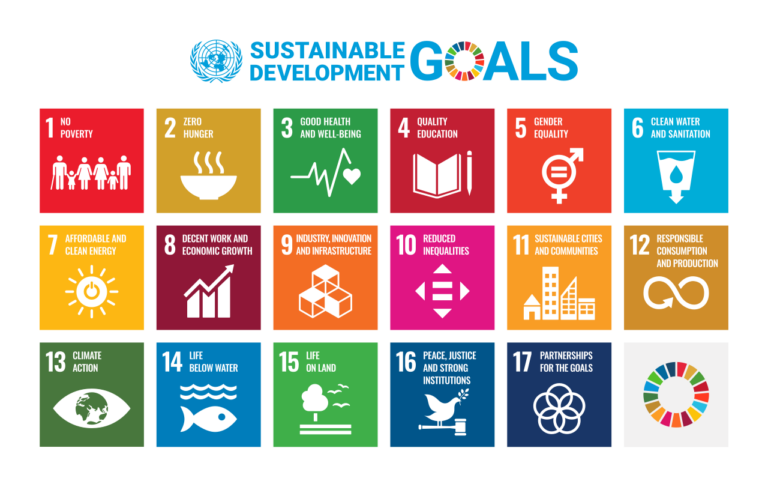
SDG GOALS 3, 5 & 10
Good Health & Well-being, Gender Equality & Reduced Inequalities
Through participatory creation, individuals express personal and collective identities, opening space for visibility, inclusion, and equal participation (SDG 5, 10). The creative process encourages emotional expression, reflection, and wellbeing (SDG 3). By working in public space and with local communities, our projects also contribute to more inclusive and socially connected cities (SDG 11) and strengthen collaboration across sectors and partners (SDG 17).
OUR IMPACT
50
+
Digital Testominies
1
Global Topic
100
+
Ways to Cooperate
15
Participants
Help Art Change the World
Why Donate
Masterpiece for Good believes in the power of art to inspire, educate, and drive social change.
With your support, we can expand our programs, reach more communities, and create lasting impact.
Your Donations help us cover materials, workshops, artist fees, production costs, travel, documentation, and the basic infrastructure needed to realize our projects.
We aim for an allocation of donations based on a 20/80 ratio.
With your support, we can expand our programs, reach more communities, and create lasting impact.
Your Donations help us cover materials, workshops, artist fees, production costs, travel, documentation, and the basic infrastructure needed to realize our projects.
We aim for an allocation of donations based on a 20/80 ratio.
